

Kenya Country Guide for International Visitors
Kenya, known as the Home of African Safari, offers a perfect mix of wildlife adventures, rich culture, and business opportunities. Whether visiting for leisure, business, or humanitarian work, this Kenya Country Guide provides all the essential information to navigate Kenya confidently.
Quick Facts
- Capital: Nairobi
- Official Languages: English, Kiswahili
- Population: ~55 million (2023)
- Literacy Rate: 82%
- Currency: Kenyan Shilling (KES)
- Time Zone: GMT +3
- Forest Cover: 10% of land
- Economic Ranking in Africa: 8 of 54 (2022)
Geography & Location
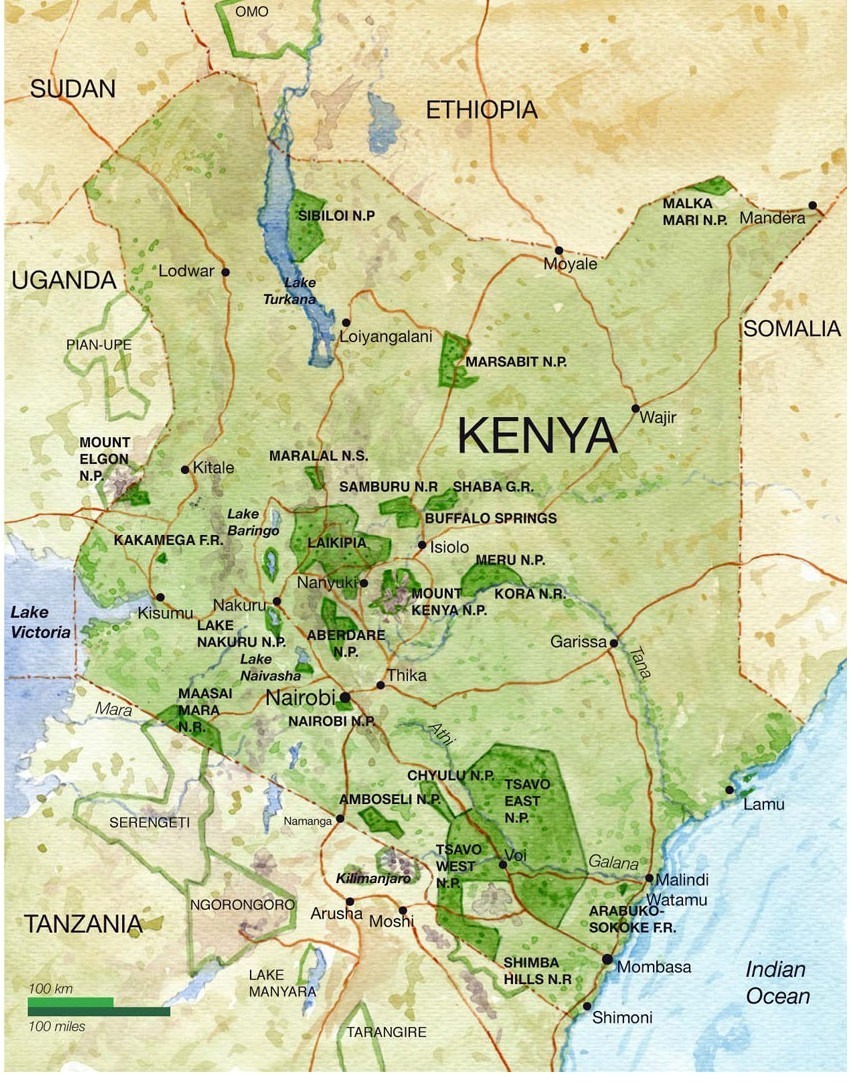
Kenya is in East Africa, bordered by Somalia and Ethiopia (north), South Sudan (northwest), Uganda (west), Tanzania (south), and the Indian Ocean (east). Nairobi sits at 1,700 meters (5,500 ft) above sea level. The country is roughly the size of Texas or Spain, featuring savannahs, highlands, lakes, and a scenic coastline.
Population & Culture
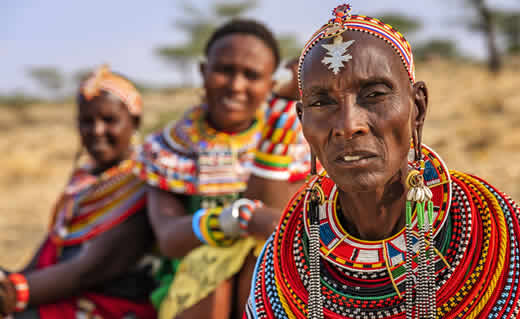
- Ethnic Groups: 42 tribes with distinct dialects and traditions
- Religion: Christianity 82.6%, Islam 11%, others 6.4%
- English is widely spoken in cities, offices, hotels, and lodges
- Kiswahili is spoken nationwide alongside local languages
Climate & Seasons
- Short rains: October–November
- Long rains: March–early June
- Average temperatures: 20°C–28°C (68°F–82°F)
- Coastal areas are hot and humid year-round
- Altitude and terrain produce diverse microclimates
Getting to Kenya
- Airports: Nairobi (Jomo Kenyatta), Eldoret, Mombasa (Moi), Malindi
- Road Access: Borders with Tanzania, Uganda, Ethiopia, and Somalia
- Rail: Revamped rail connects the coast to Malaba (Uganda border)
- Immigration is processed at airports and border points
Visa & Entry Requirements
African Nationals
- Most African countries (excluding Libya & Somalia) are visa-exempt for up to 60 days
- East African Community (EAC) members (Tanzania, Uganda, Rwanda, Burundi, South Sudan, DRC) enjoy up to 6 months visa-free
Other Visa-Exempt Countries (90-Day Visa-Free)
- Commonwealth Nations: Barbados, Belize, Botswana, Brunei, Cyprus, Dominica, Fiji, Gambia, Ghana, Grenada, Guyana, Jamaica, Lesotho, Malawi, Malaysia (<30 days), Maldives, Mauritius, Mozambique, Namibia, Nauru, Papua New Guinea, Samoa, San Marino, Seychelles, Sierra Leone, Singapore, South Africa, St. Kitts & Nevis, St. Lucia, St. Vincent & the Grenadines, Swaziland, Tonga, Trinidad & Tobago, Tuvalu, Vanuatu, Zambia, Zimbabwe
- Others: Republic of the Congo, Ethiopia, Kiribati, The Bahamas, Solomon Islands
eTA (Electronic Travel Authorization)
- Most other visitors now require an eTA, applied for online
- Collects personal info, travel details, and payment
- Does not guarantee entry; immigration officers determine admissibility upon arrival
Important Notes:
- Always verify on the eCitizen portal or a Kenyan Embassy website
- Even visa-free travelers must have a valid passport and may need proof of onward travel or sufficient funds
Health & Safety
- Kenya is generally healthy to visit
- Malaria risk: high at the coast & lake basins; low in highlands
- Recommended: malarial prophylaxis or insect repellents
- Visitors are responsible for their own medical insurance
- Air medical evacuation coverage is advised
Money & Payments
- Most hotels, lodges, and shopping centers accept credit cards
- Cash needed only for small purchases or gratuities
- Kenya uses Kenyan Shillings (KES)
- Mobile Payments: M-Pesa is ubiquitous for almost all transactions
Tipping Guidelines
- Tour drivers/guides: USD 10–20 per client/day
- Waiters: USD 3–5 per day
- Porters: USD 1–3 per bag
Electricity & Communication
- Voltage: 220–240V, 50Hz; UK-style 3-pin sockets
- Safari vehicles: 12V sockets; some with power outlets
- SIM cards widely available; 10GB mobile data < USD 10/month
- HF radios in safari vehicles for emergencies
Security & Safety Tips
- Avoid walking alone at night in urban areas
- Lock valuables in hotel safes
- Follow driver-guide instructions in parks
- Stay inside vehicles near wildlife
Drinking Water & Luggage
- Drink bottled water only
- Safari vehicles provide 1 liter/person/day
- Recommended luggage: ≤15kg/person
- Laundry services are available in lodges
Dress Code & Customs
- Modest dressing recommended, especially on the coast
- Nudity is prohibited in public
- Ask permission before photographing locals or private property
Summary
Kenya combines world-class safari experiences, vibrant culture, and business opportunities. Preparing ahead for visas, health, insurance, and local regulations ensures a smooth, enjoyable trip. This guide provides all the essential facts to travel safely, confidently, and responsibly.

Useful Links: Legal Compliance
Traffic Act (Cap. 403) — Kenyalaw.org
NTSA Act licensing provisions — Kenyalaw.org
Tourism Regulatory Authority car hire licence (TRA Class C – Car Hire)